ATELIER
  • Home
  • About
    • Lighthouse Cities
      • Amsterdam
        • Republica
        • Poppies
      • Bilbao
    • Fellow Cities
      • Bratislava
      • Budapest
      • Copenhagen
      • Krakow
      • Matosinhos
      • Riga
    • Objectives
    • Work Packages
    • Partners
    • Smart Cities Community
  • Outcomes
    • ATELIER Stories
    • PED Learning Platform
    • Deliverables
    • Scientific Publications
    • Other Publications
    • Solution Factsheets
    • Booklets
    • Final Conference Outcomes
  • Archive
    • News
    • Events
      • Events Archive
    • Press Releases
    • Newsletter
    • Media
  • Contact
Select Page
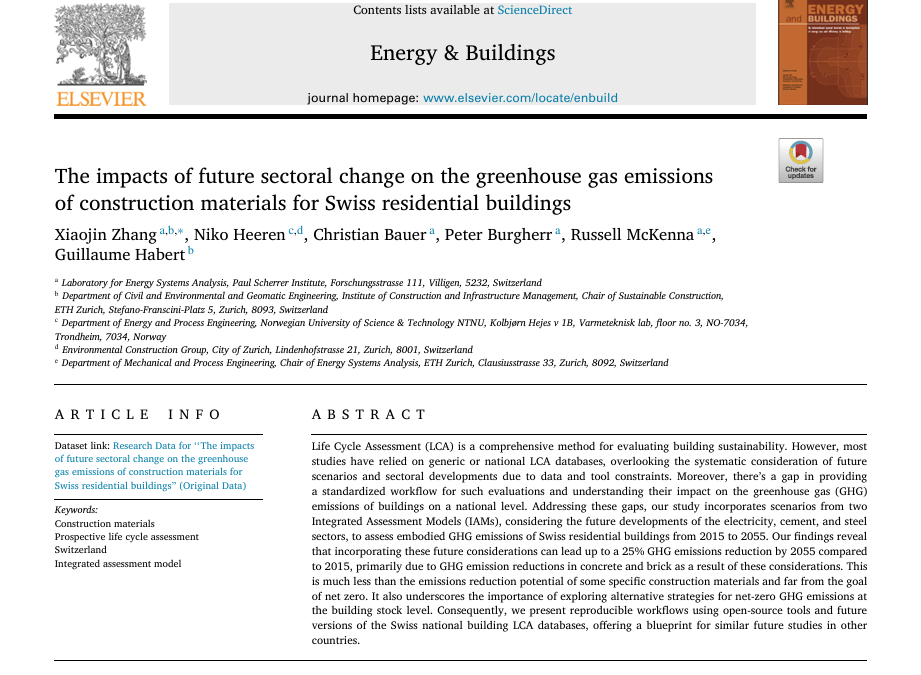
New Scientific Publication: The impacts of future sectoral change on the greenhouse gas emissions of construction materials for Swiss residential buildings

New Scientific Publication: The impacts of future sectoral change on the greenhouse gas emissions of construction materials for Swiss residential buildings

May 12, 2026

Authors: Xiaojin Zhanga, Niko Heerenc, Christian Bauer, Peter Burgherr, Russell McKenna,Guillaume Habert Journal: Energy and Buildings, Volume 303 Status: published Publication date: 15 January 2024 Abstract: Life Cycle Assessment (LCA) is a comprehensive method for...

TELUR presents Geothermal Heat Pump Solutions for Positive Energy Districts in ATELIER Webinar

TELUR presents Geothermal Heat Pump Solutions for Positive Energy Districts in ATELIER Webinar

Apr 30, 2026

On 22 April 2026, the ATELIER project hosted the webinar “From Ground to Grid: TELUR’s Geothermal Heat Pump Journey in ATELIER”, focusing on the role of ground‑source heat pumps (GSHPs) in delivering efficient, low‑carbon heating and cooling in urban areas. During the...
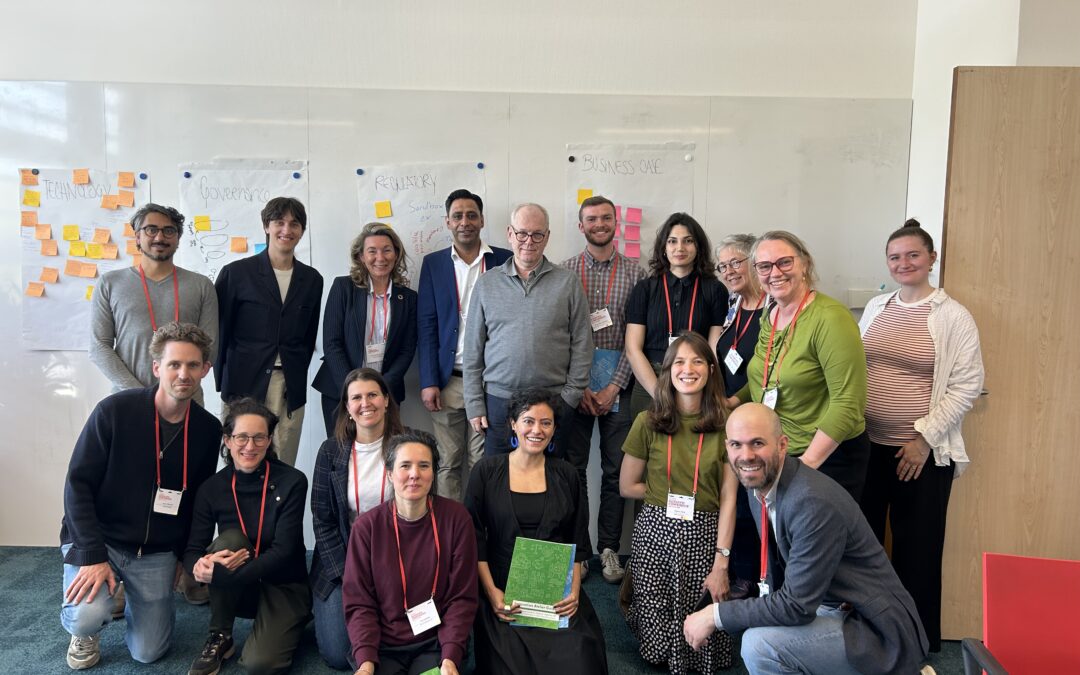
Scaling Local Energy Solutions: reflections from the last ATELIER session in Amsterdam

Scaling Local Energy Solutions: reflections from the last ATELIER session in Amsterdam

Apr 29, 2026

The final ATELIER workshop in Amsterdam took place on April 16 during the third edition of the AMS Scientific Conference. Researchers, policymakers, industry partners, and urban professionals gathered over three days to explore how cities can become more resilient,...
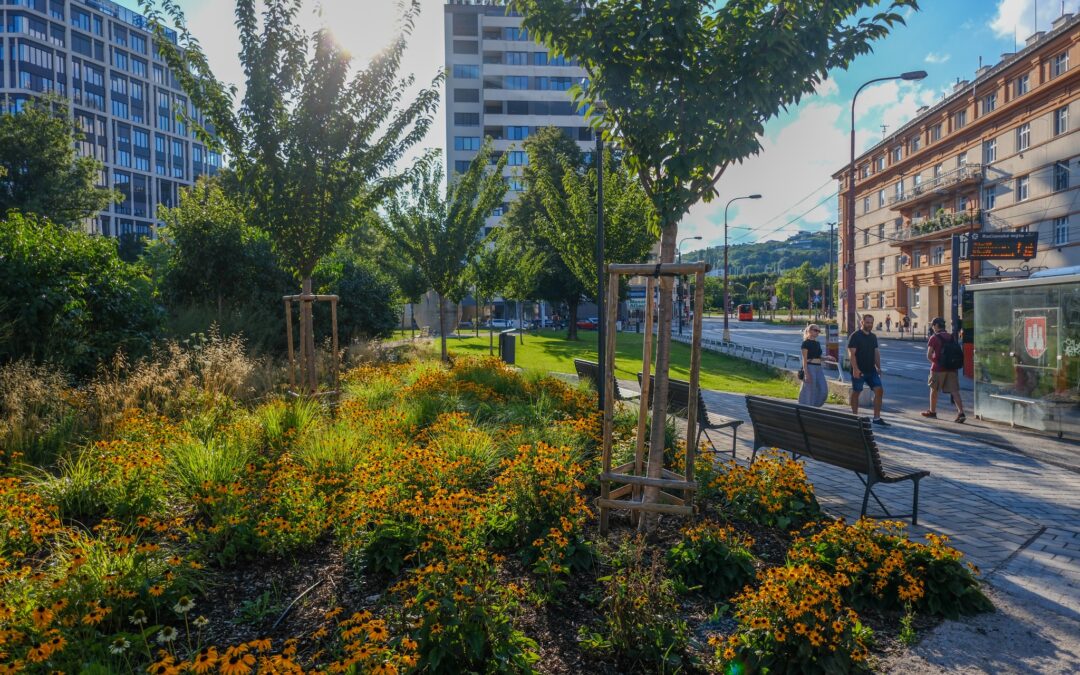
Positive Energy Districts as Regulatory Instruments for Urban Transformation: Implications of the ATELIER Project for Bratislava

Positive Energy Districts as Regulatory Instruments for Urban Transformation: Implications of the ATELIER Project for Bratislava

Apr 22, 2026

The concept of Positive Energy Districts (PEDs) is increasingly transitioning from experimental discourse to implementation-oriented practice within the European context. The ATELIER project positions PEDs not merely as technological innovations, but as systemic...
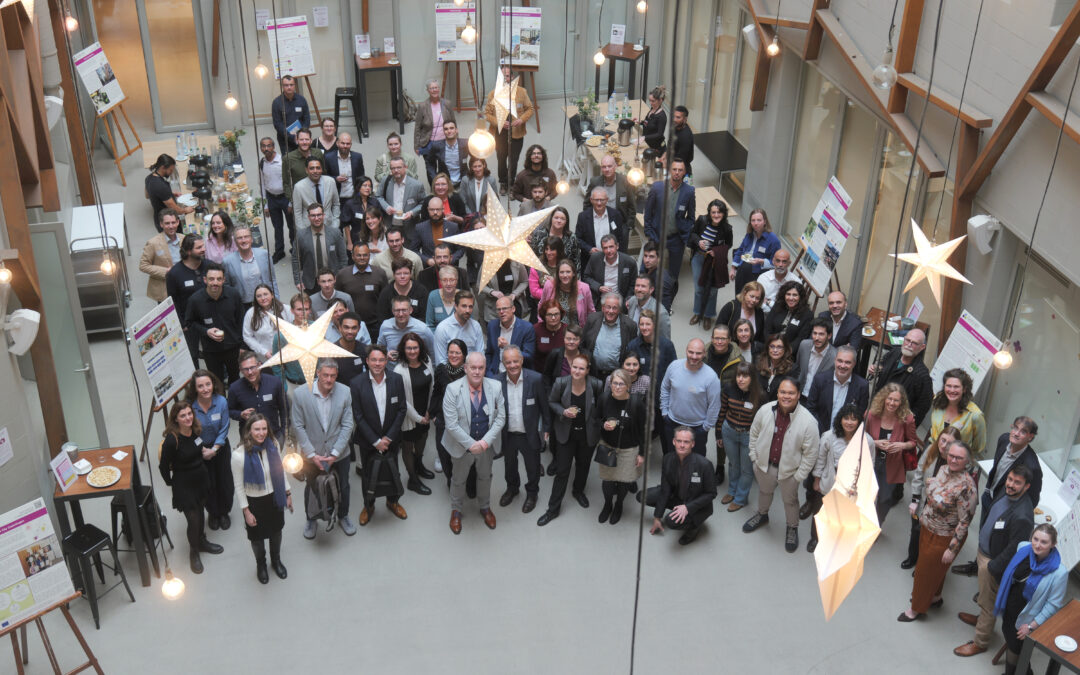
ATELIER Final Conference: What Europe’s Cities learned on the Road to Positive Energy Districts

ATELIER Final Conference: What Europe’s Cities learned on the Road to Positive Energy Districts

Apr 13, 2026

Bringing Europe’s Positive Energy District Journey Together In March 2026, the ATELIER project reached an important milestone with its Final Conference in Bilbao. After more than six years of collaborative work across Europe, the conference offered a chance to look...

« Older Entries
Next Entries »

Recent Posts

  • New Scientific Publication: Towards Net-Zero Settlements: Barriers, Enablers and Case Studies’ Lessons Learnt from the Annex 83
  • New Scientific Publication: A GIS-Based Approach to Identifying Suitable Areas for Positive Energy Districts Development
  • New Scientific Publication: Linking environmental impact assessment and Positive Energy Districts: A literature review
  • New Scientific Publication: Basics and recommendations on influence of future electricity supplies on LCA-based building assessments
  • New Scientific Publication: Evaluating the levelized costs and life cycle greenhouse gas emissions of electricity generation from rooftop solar photovoltaics: a Swiss case study
© ATELIER 2026
  • Imprint
  • Data policy
  • Twitter
  • Youtube
  • LinkedIn
European Flag This project has received funding from the European Union’s Horizon 2020 research and innovation programme under grant agreement No 864374.