
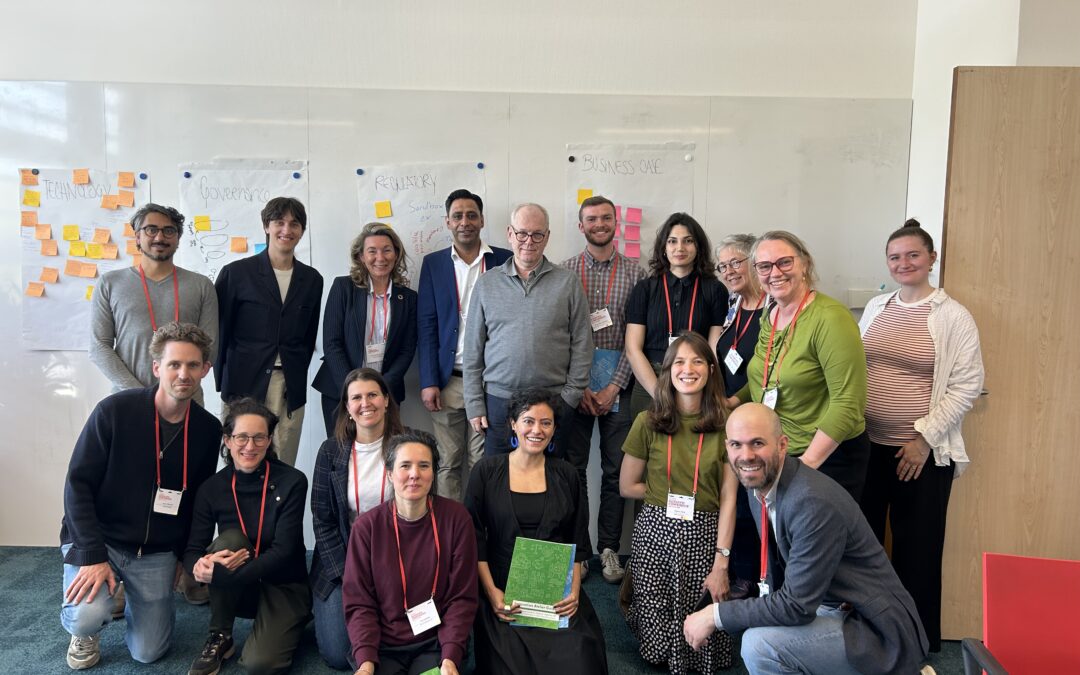
The final ATELIER workshop in Amsterdam took place on April 16 during the third edition of the AMS Scientific Conference. Researchers, policymakers, industry partners, and urban professionals gathered over three days to explore how cities can become more resilient, regenerative, and just.
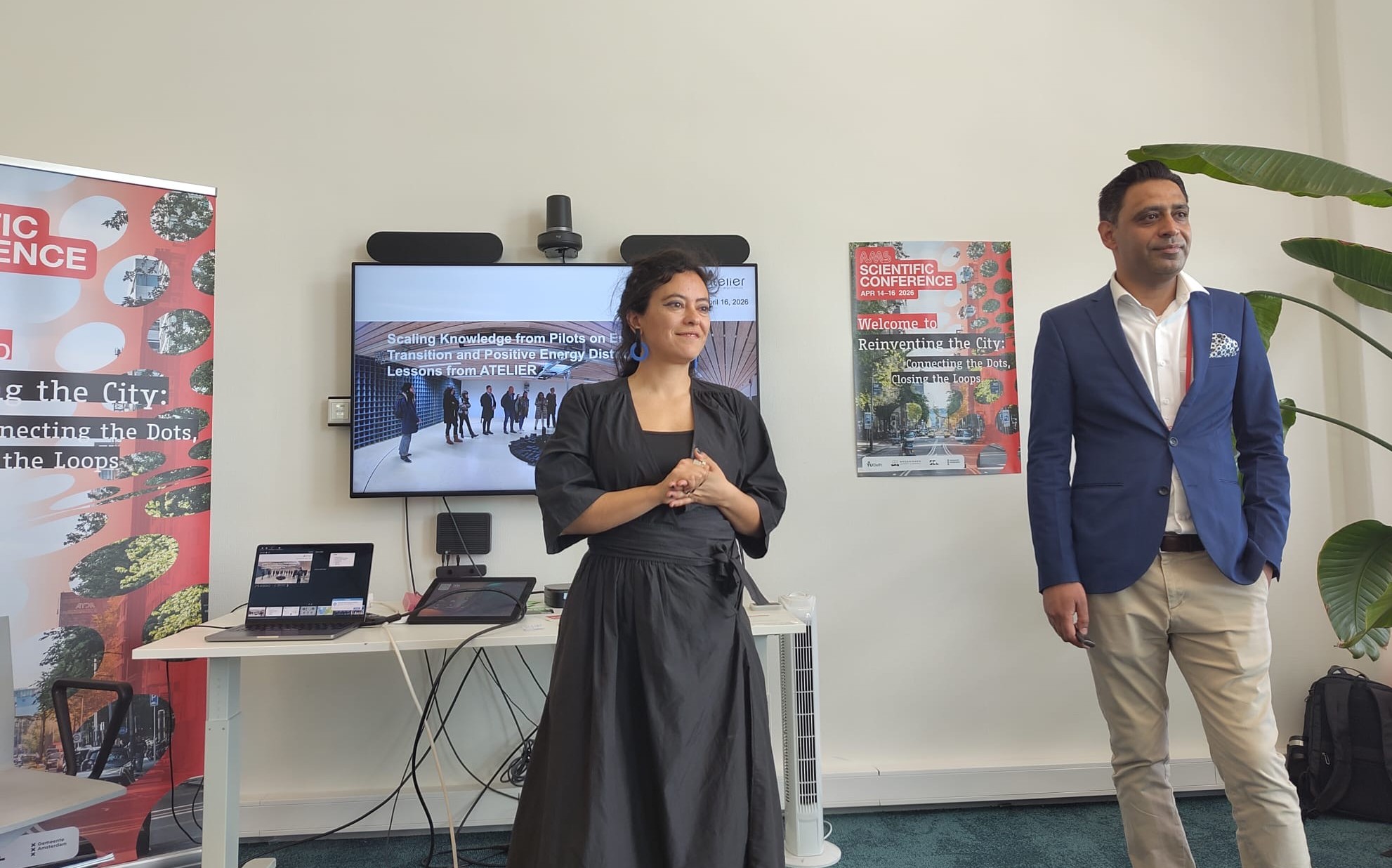
After 6.5 years of research and implementation, Juanita Devis (AMS Institute) and Omar Shafqat (Amsterdam University of Applied Sciences) shared key ATELIER insights to support the next phase: scaling knowledge from pilot projects in Amsterdam and its partner city Bilbao. Central questions included: How does a local energy system work? What is a Positive Energy District (PED)? And what role do these concepts play in the energy transition?
The session explored regulatory frameworks, business models, technological applications, and governance models that enable innovation. Participants from the City of Amsterdam, universities, and research institutions discussed the challenges of implementing PEDs in Amsterdam, such as grid congestion and the current legal framework in the Netherlands. PEDs should contribute to grid flexibility. However, energy communities must compete with individual connections, for which a solid business case is essential.
The Dutch approach is closely watched across Europe, as grid congestion might become a widespread issue. In Amsterdam, the ATELIER pilots operate under a regulatory sandbox (exemption rule) to manage a private grid through a single net connection. The new Dutch Energy Act allows energy sharing but does not permit this specific setup. During the interactive session, a first lobby strategy for adjustments to national legislation was drafted. At the same time, it remains necessary to consider what is possible under the current legal framework in Amsterdam
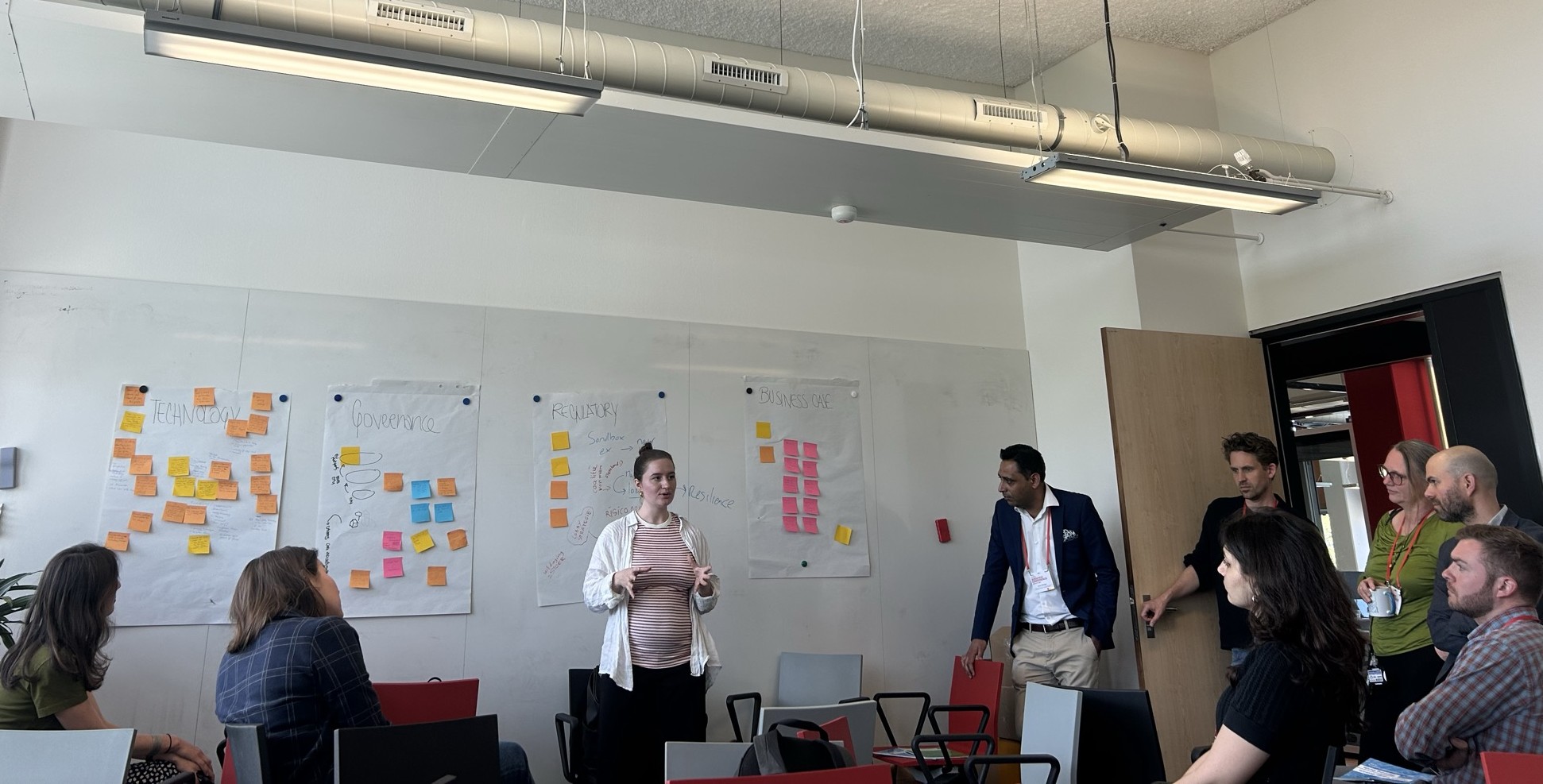
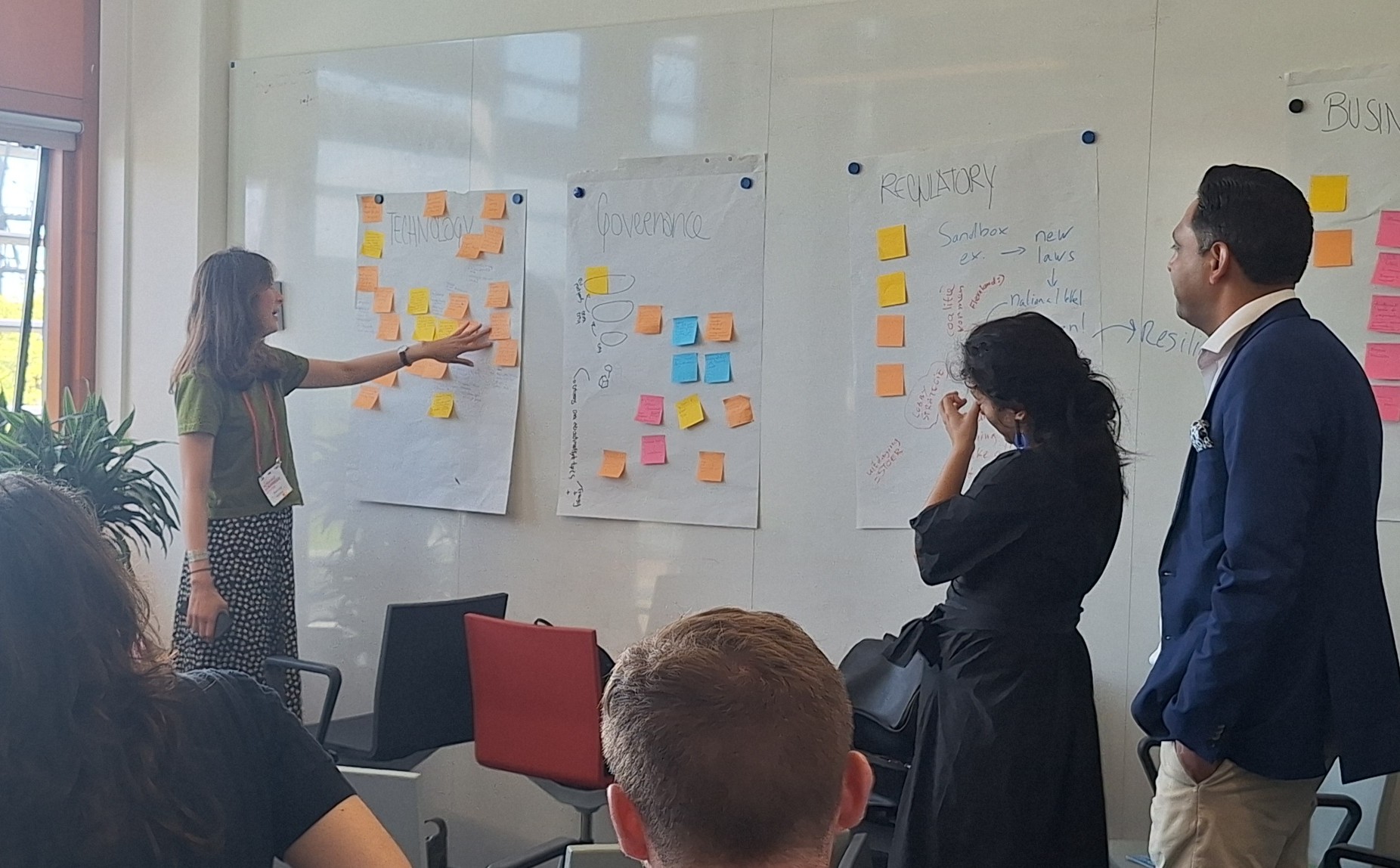
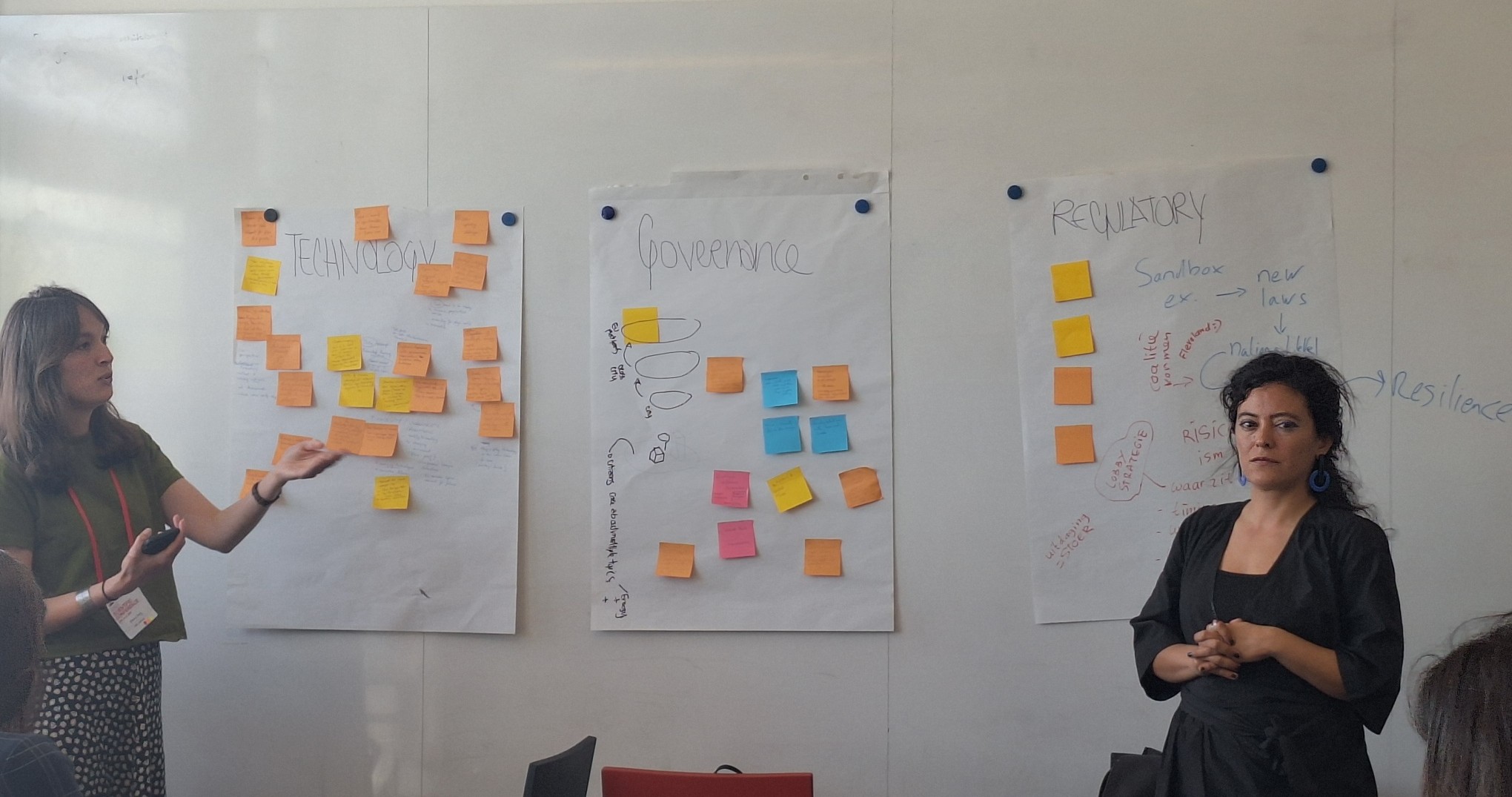
The discussion on technology highlighted the main requirements for the solution to be scalable and replicable. End-user needs and capabilities should be the starting point in designing the solution. At the same time, Energy Management Systems (EMS) need to be more generic to easily accommodate user needs based on plug-and-play customizations. Making data findable, accessible, interoperable, and reusable across providers was identified as a key condition for replication and scaling. This can be achieved with testbeds for data standardization.
While technology was discussed extensively, governance emerged as a key challenge for scaling PEDs and accelerating energy transition. Participants stressed that these types of projects need to be governed as long term, evolving structures (Innovation Ateliers) rather than time bounded initiatives. This includes planning for continuation beyond project funding, allowing the mission and scope to evolve over time, and ensuring representation of public authorities, private actors, knowledge institutions, and civil society. Such quadruple helix governance structures help maintain legitimacy, align expectations, and sustain joint value creation throughout different project phases.
Business models—often a less popular topic—are not less important. This discussion focused on affordability and the need to look beyond government subsidies and funding. Public-private partnerships and connecting initiatives with actors who have access to capital should be explored. This can be done by strengthening links with innovation and startup ecosystems. In this context, data is business, and agility is key to profitability.
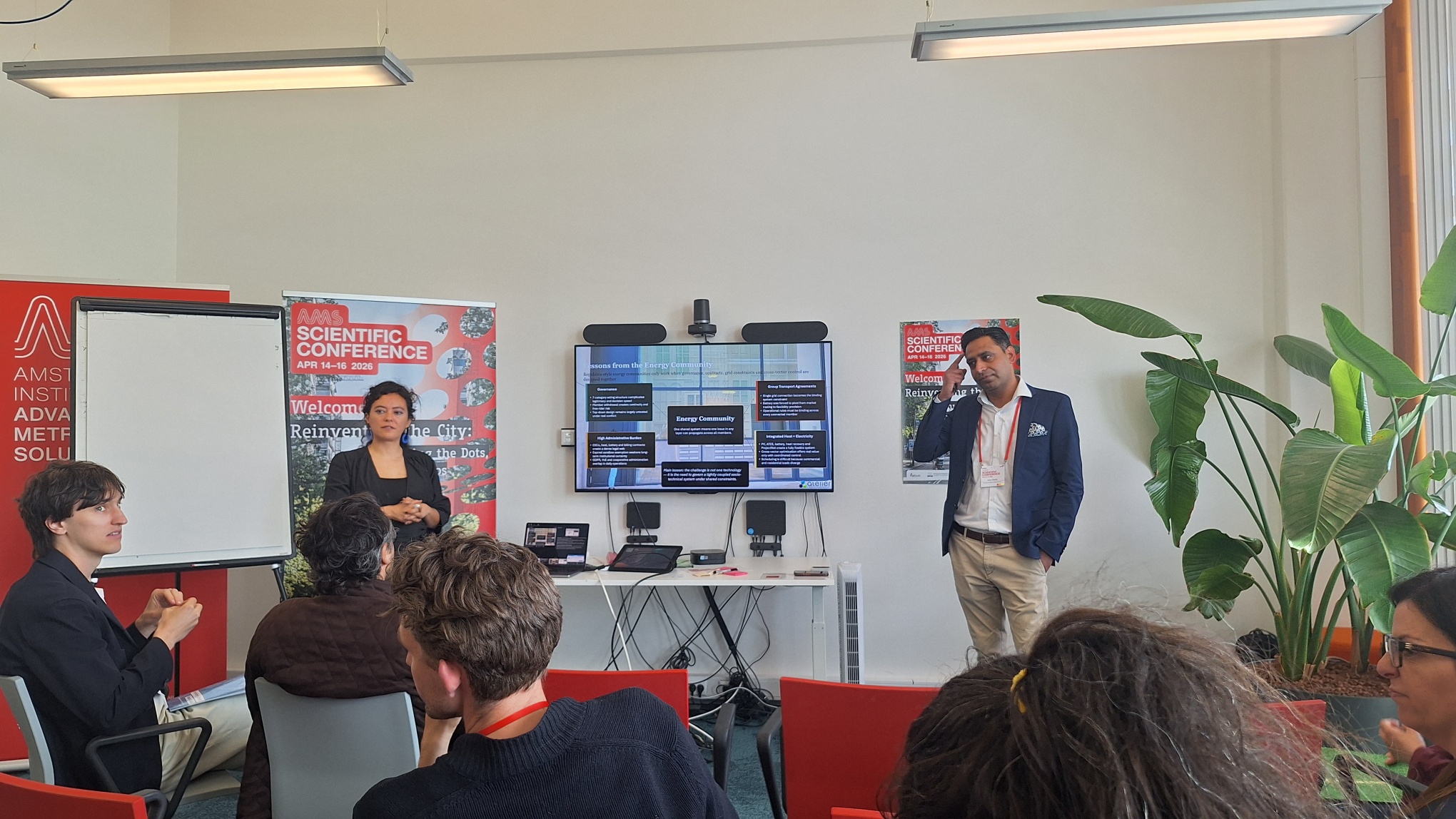
The discussions during the workshop highlighted the interest and need to take further steps together and organize new exchanges to advance the energy transition. The lessons learned from ATELIER and the Amsterdam pilot are being translated into practical resources for cities, including the Innovation Atelier Guide, the PED Planning Guide, the PED learning platform and a set of online courses. These tools support practitioners and policymakers working on PEDs and other complex urban transition projects by making ATELIER’s insights accessible and actionable for cities at different stages of PED development, energy transition and climate resilient strategy.
Author and picture credits: Kim Nathalia and Juanita Devis, City of Amsterdam and AMS Institute