ATELIER
  • Home
  • About
    • Lighthouse Cities
      • Amsterdam
        • Republica
        • Poppies
      • Bilbao
    • Fellow Cities
      • Bratislava
      • Budapest
      • Copenhagen
      • Krakow
      • Matosinhos
      • Riga
    • Objectives
    • Work Packages
    • Partners
    • Smart Cities Community
  • Outcomes
    • ATELIER Stories
    • PED Learning Platform
    • Deliverables
    • Scientific Publications
    • Other Publications
    • Solution Factsheets
    • Booklets
    • Final Conference Outcomes
  • Archive
    • News
    • Events
      • Events Archive
    • Press Releases
    • Newsletter
    • Media
  • Contact
Select Page

New articles on energy transition and PEDs (in Dutch)

Sep 28, 2020

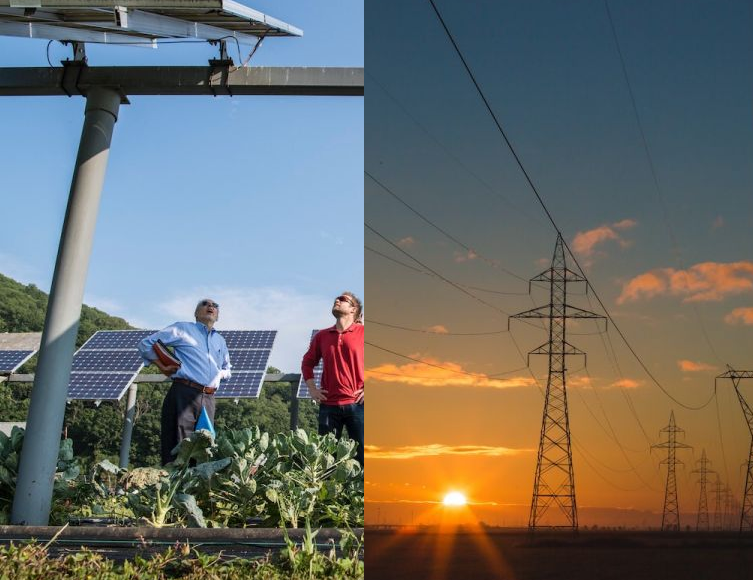
Our ATELIER project partner Waag, responsible for citizen engagement within the project, has published two new articles (in Dutch) about challenges to the creation of energy-positive neighbourhoods and about the energy transition and how it can succeed locally and democratically.

Find them here:

  • De energietransitie slaagt alleen lokaal en democratisch
  • Hobbels op weg naar energiepositieve wijken

Interested in learning more? Get in touch with Teska Drosten from Waag: teska@waag.org

Recent Posts

  • New Scientific Publication: Linking environmental impact assessment and Positive Energy Districts: A literature review
  • New Scientific Publication: Basics and recommendations on influence of future electricity supplies on LCA-based building assessments
  • New Scientific Publication: Evaluating the levelized costs and life cycle greenhouse gas emissions of electricity generation from rooftop solar photovoltaics: a Swiss case study
  • New Scientific Publication: The impacts of future sectoral change on the greenhouse gas emissions of construction materials for Swiss residential buildings
  • TELUR presents Geothermal Heat Pump Solutions for Positive Energy Districts in ATELIER Webinar
© ATELIER 2026
  • Imprint
  • Data policy
  • Twitter
  • Youtube
  • LinkedIn
European Flag This project has received funding from the European Union’s Horizon 2020 research and innovation programme under grant agreement No 864374.